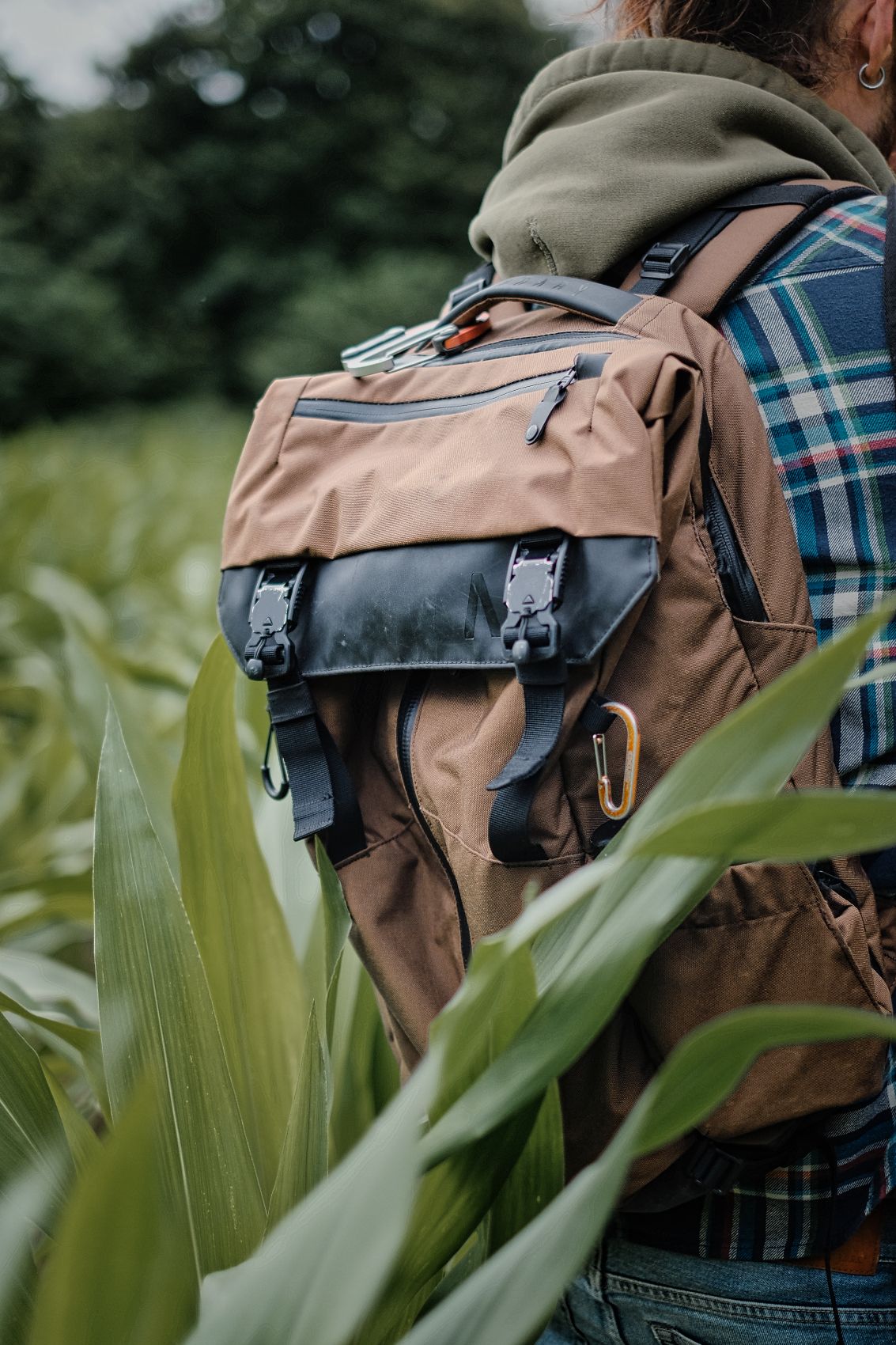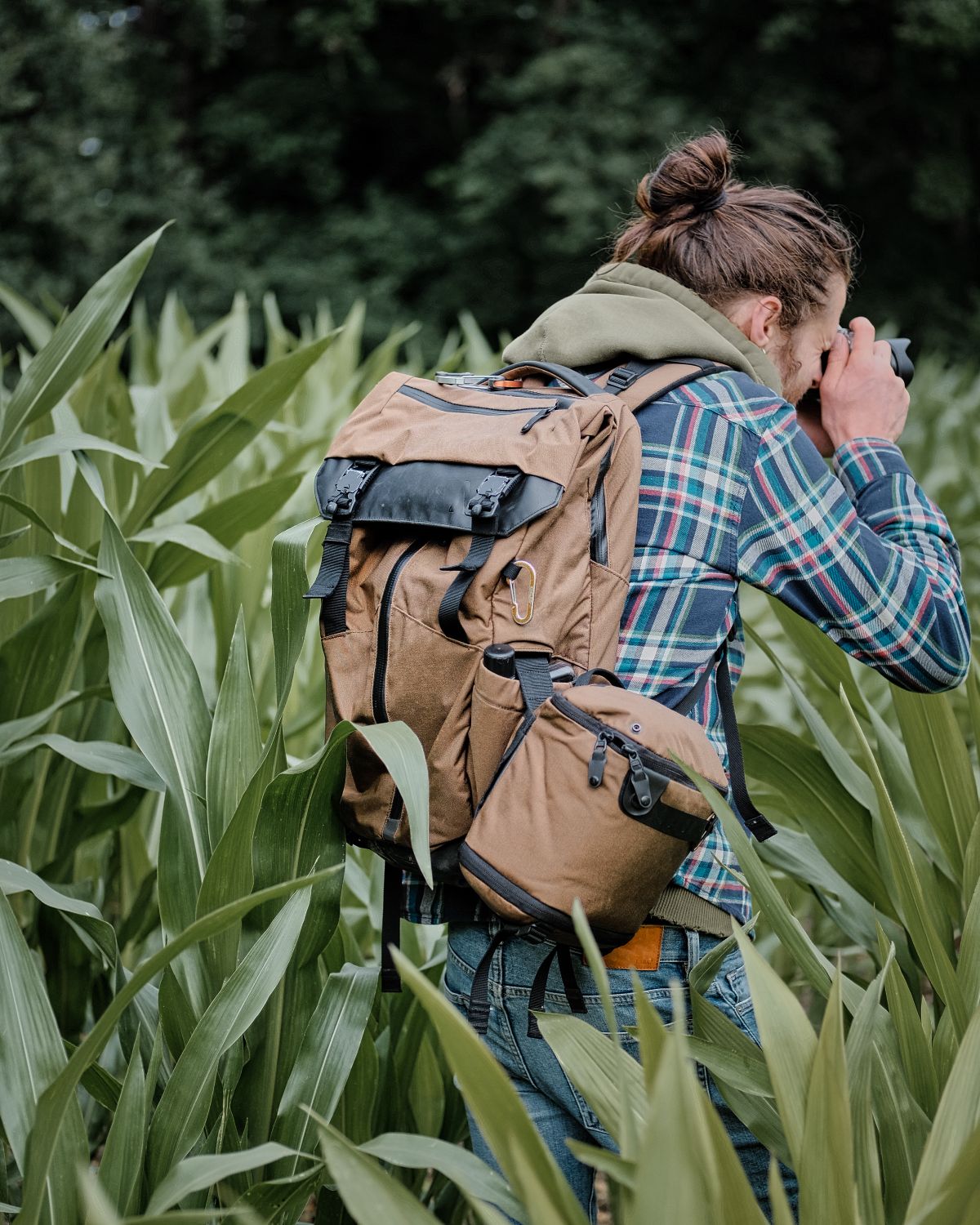
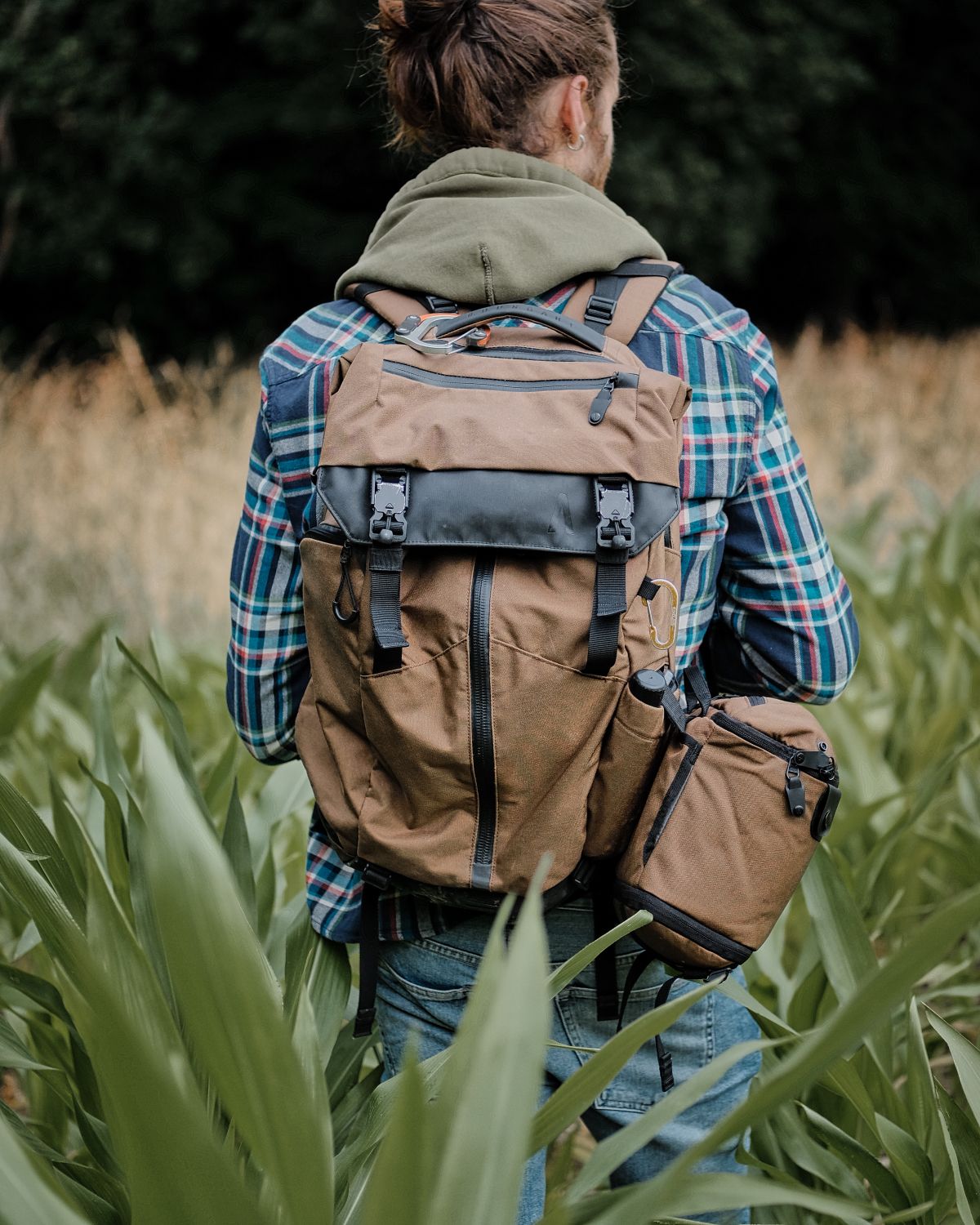
In the world of photography, many of us are on a quest to find the perfect backpack. One that can meet all our needs. We want it to be tough enough to handle the chaos of a trip through Thailand, compact enough to fit in a plane’s overhead compartment, and still spacious enough to carry our camera gear, a change of clothes, and that beautiful 700-page novel we’ll never actually read during the trip.
And of course, with minimalism becoming more and more popular, we dream of coming back and getting rid of all our other backpacks, keeping just this one.
Boundary Supply took on this challenge with the Prima System in mind, a modular photo and travel backpack designed to adapt to every user’s needs.
But did Boundary Supply pull it off? Let’s find out.
We’ll begin by taking a quick tour of the bag before diving deeper into the Prima System itself.

Boundary Supply
Boundary Supply is a company based in Salt Lake City, Utah. It designs accessories primarily for photographers, videographers, and other creative professionals who most likely use the Adobe suite daily.
To meet the specific needs of this audience, the brand focuses on three essentials: durability, innovation, and above all, functionality. Since every design choice is driven by how the product will actually be used, the engineers at Boundary have poured their energy into creating smart and ergonomic gear. The result is a lineup of accessories built to withstand the demands of long shoot days, or even just the daily bike ride to your local coffee shop.
All of their products are manufactured in Vietnam in Bluesign-certified factories. This certification requires reduced water and energy usage, strict limits on chemical use, and a high standard for pollution control and textile safety. That means the materials are safe for the environment, for the workers, and for you.
Over the past few years, Boundary Supply has experienced rapid growth and now offers a wide range of accessories. With so many options available, it can be tricky to figure out which one is right for you. From slings and cable organizers to backpacks and totes, there’s truly something for everyone. Some of the items can even connect to one another through attachment systems or magnets, allowing you to create a setup that’s entirely your own.
Personally, I’ve always felt that versatility is a relative concept. It depends entirely on how you live, work, and move through your day. That’s why I find it so valuable to be able to add or remove a module depending on how things unfold, or simply based on what you’re into at that moment. It’s that flexibility that really made me gravitate toward this brand.
Today I want to introduce you to the Prima System. To me, it perfectly captures Boundary Supply’s philosophy and design approach. Over time, it has become the brand’s signature product, with most of their newer gear drawing inspiration from its ergonomics, features, and overall design.
We’ll start by looking at its key characteristics, and then I’ll walk you through how I actually use it out in the field. I’ll finish by sharing my final thoughts on the Prima System, and who I think it’s best suited for.

The Prima System
The Prima System was the very first product ever designed by the brand, and it met with immediate success when it launched on Kickstarter. A few years later, Boundary has grown a lot, but the company still chose to refine its flagship product by releasing two updated versions of the Prima System. The model featured in this article is the third iteration, and without a doubt, the most accomplished one yet.
The Prima System is a backpack made up of three separate modules.
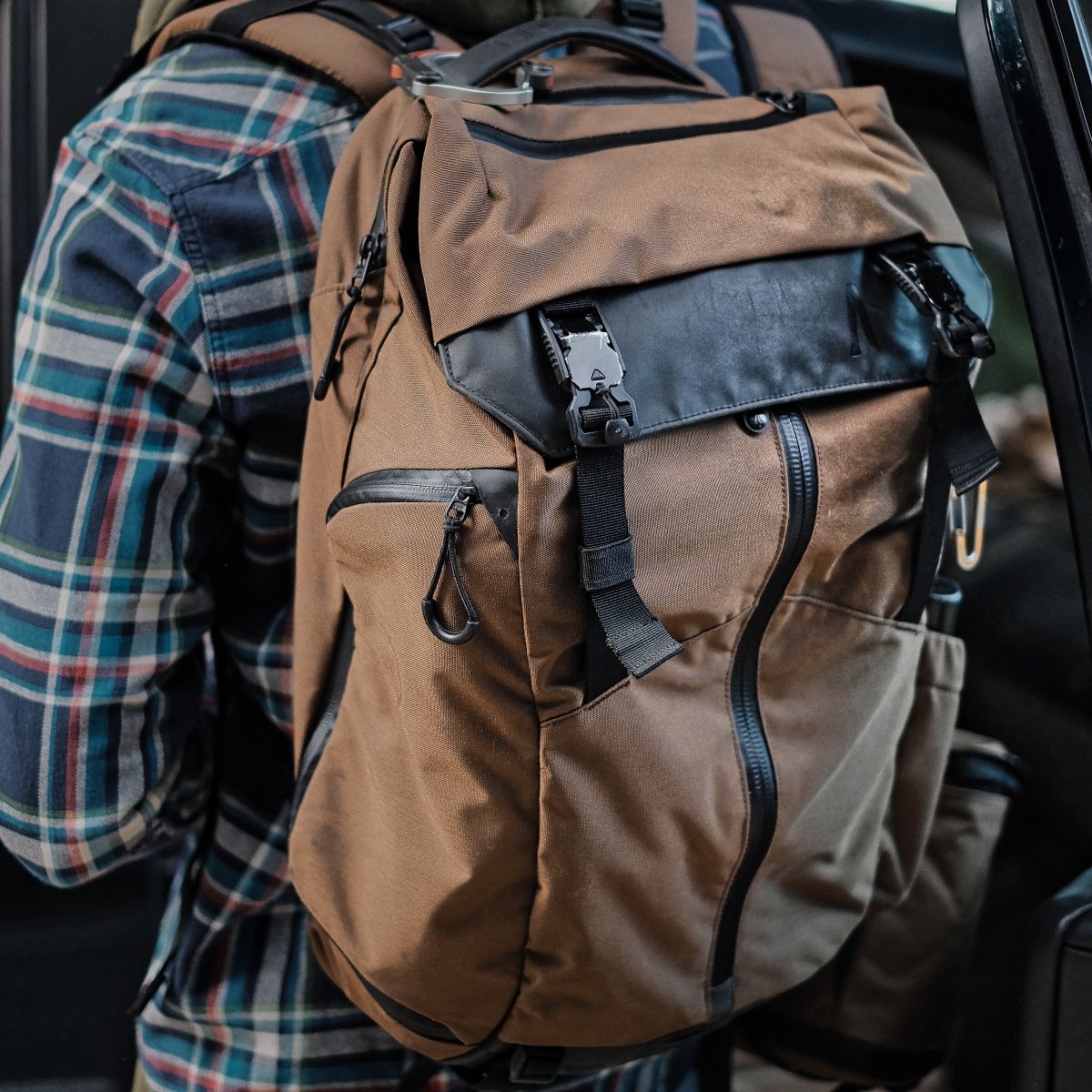
- The Prima is the main pack, with a capacity ranging from 25 to 30 liters. It can hold both the Verge Case and the Field Space inside.
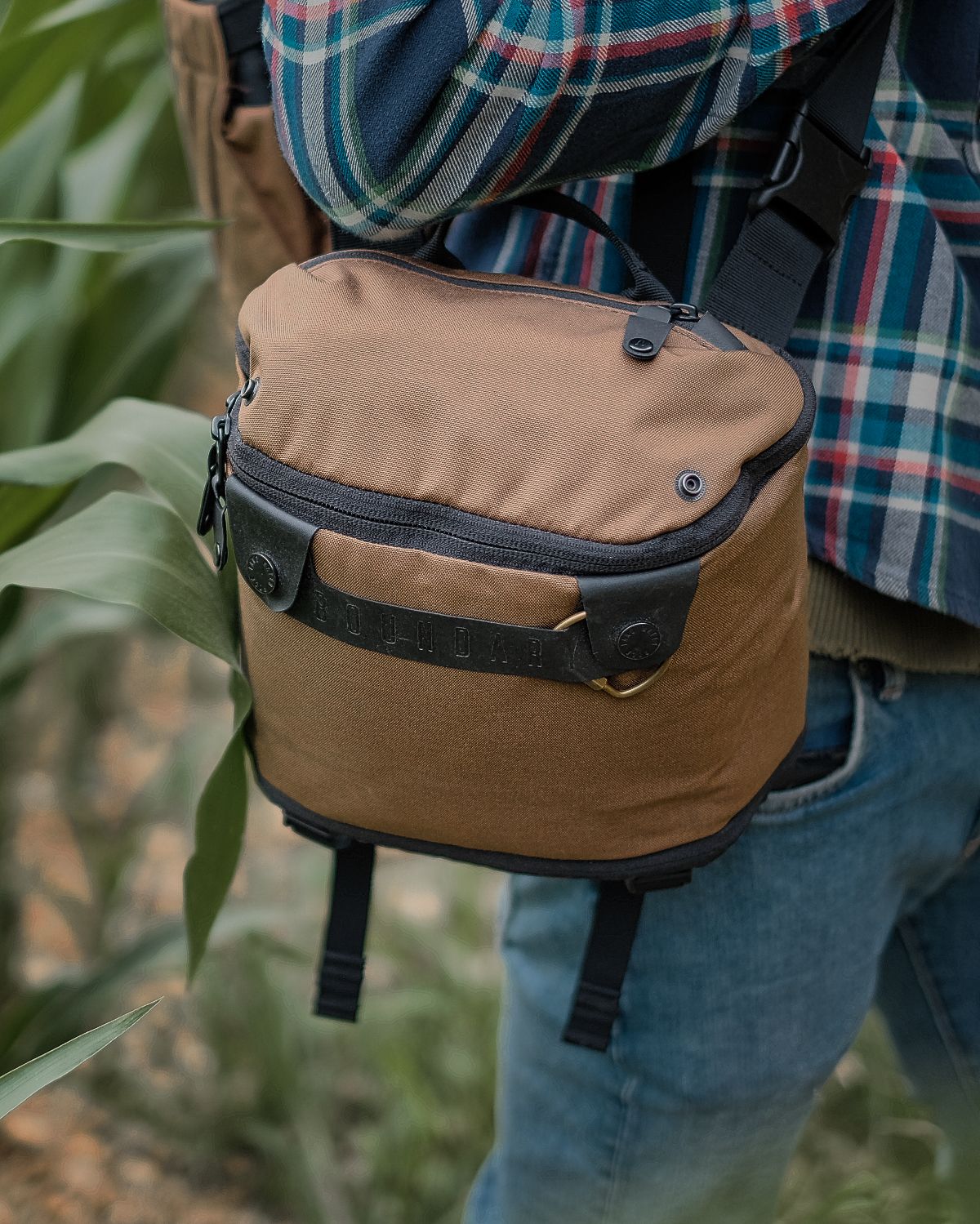
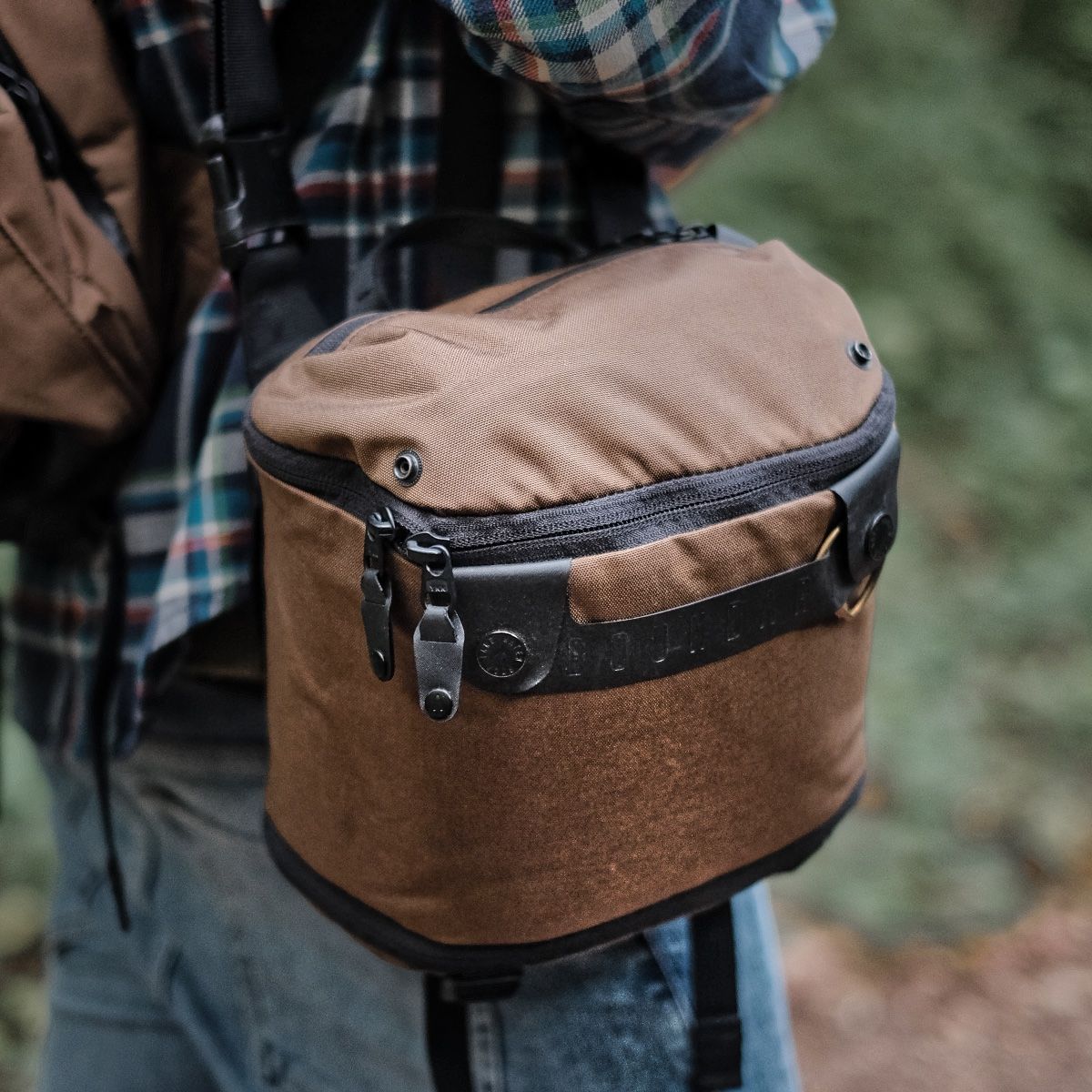
- The Verge Case is a small camera pouch with a capacity of 4 liters, expandable to 8 liters. It’s designed to carry your photo gear. It can be worn on its own with a strap, placed inside the main compartment of the Prima, or even attached to the side like a sidecar.
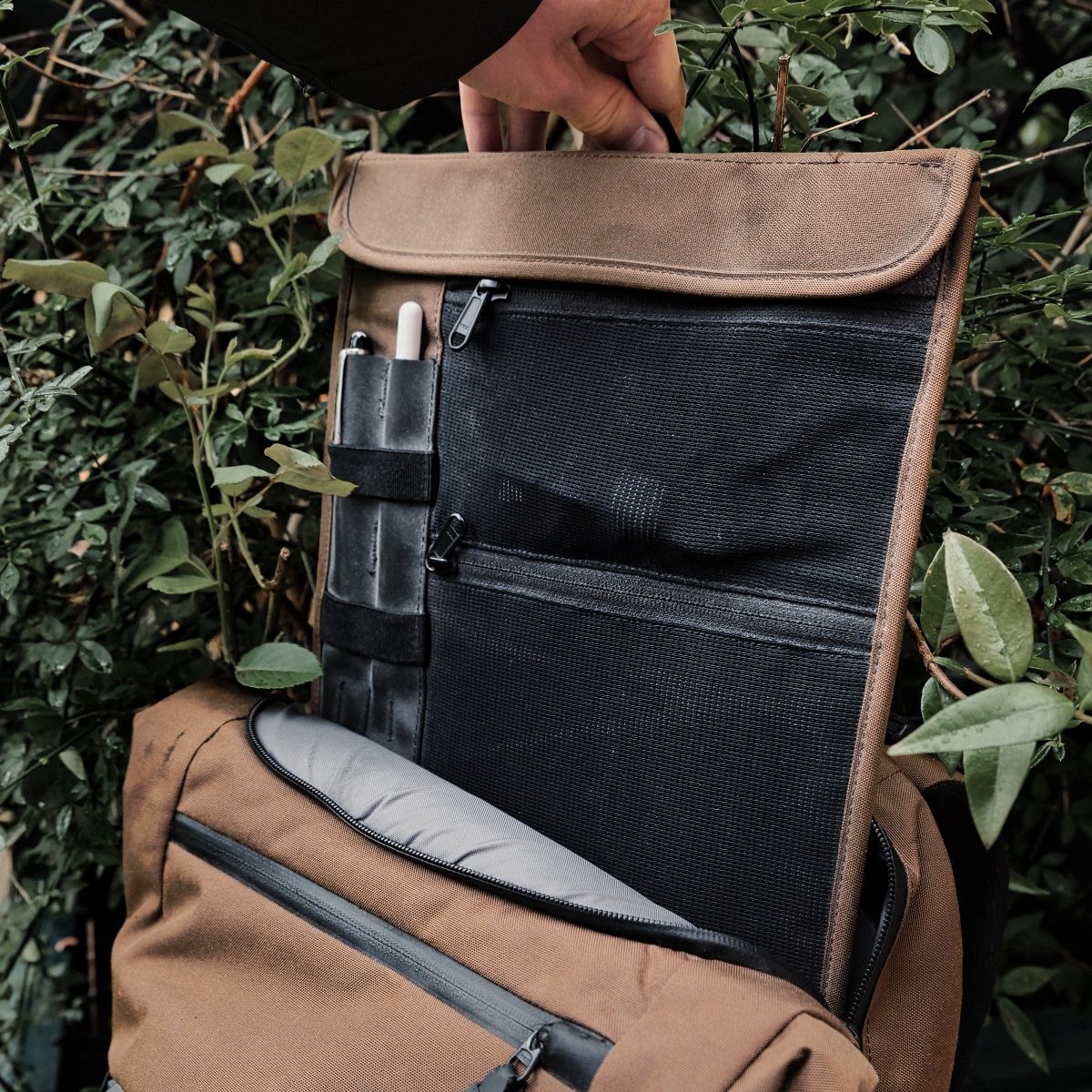
- The Field Space is a slim organizer that can hold documents, cables, an iPad and Apple Pencil, or even a 13-inch MacBook Air. It has its own dedicated spot inside the Prima and attaches securely using a magnetic system.
All three elements can be used together or independently, depending on the situation. The whole point of the Prima System is to let you add or remove modules based on your needs throughout the day.
In this article, I’m not going to walk you through the technical specifications of the Prima System one by one. I think it makes more sense to share my impressions based on real-world use. I’ve had the chance to use the Prima System almost daily for nearly two years, and I believe that gives me enough perspective to help you figure out whether or not this bag is right for you.
Regardless of how you plan to use it, a product in this category first needs to be solidly built and suited to the fast pace of everyday life. Even though Boundary Supply offers a lifetime warranty on their products, you don’t want to find yourself dealing with a broken zipper in the middle of nowhere. Especially when you’re far from home and sending your gear back for repair is not exactly an option.
Of course, some people will say there’s always a way to make do, that people these days aren’t resourceful enough, and so on. But when you’re carrying thousands of euros worth of equipment with you on a regular basis, it’s smarter to invest upfront in gear you can trust and that will stay with you for years to come.
So how does the Prima System hold up in practice? Let’s dive into that next.
Whether you like it or not, I personally think the design of the Prima System is a real success. I went for the brown version, but it’s also available in grey and black. Its modern explorer vibe won me over at first sight and instantly gave me the urge to set off on an adventure to shoot photos on the other side of the world.
As mentioned earlier, I’ve really put this bag to the test over the past two years, and its overall condition is still surprisingly good. The outer fabric is made from 500D Kodra Nylon with a DWR coating. To put it simply, it’s one of the most reliable materials out there when it comes to durability and abrasion resistance. So don’t worry about rough handling or the occasional scrape or scratch. This bag can take it. That said, while the thickness and density of the fabric are definite strengths in many situations, they don’t offer the same reliability when it comes to rain.
It’s a surprising downside, especially since the Prima System is marketed as being weather-resistant. The high-end YKK StormGuard zippers support that claim, and yet, after long exposure to water, the fabric tends to soak it up like a sponge rather than letting it run off the surface, as you’d expect from most competing products. That’s why I strongly recommend using a waterproof spray or carrying a rain cover to protect the bag when the weather takes a turn. It’s a simple precaution that can save you from unpleasant surprises.
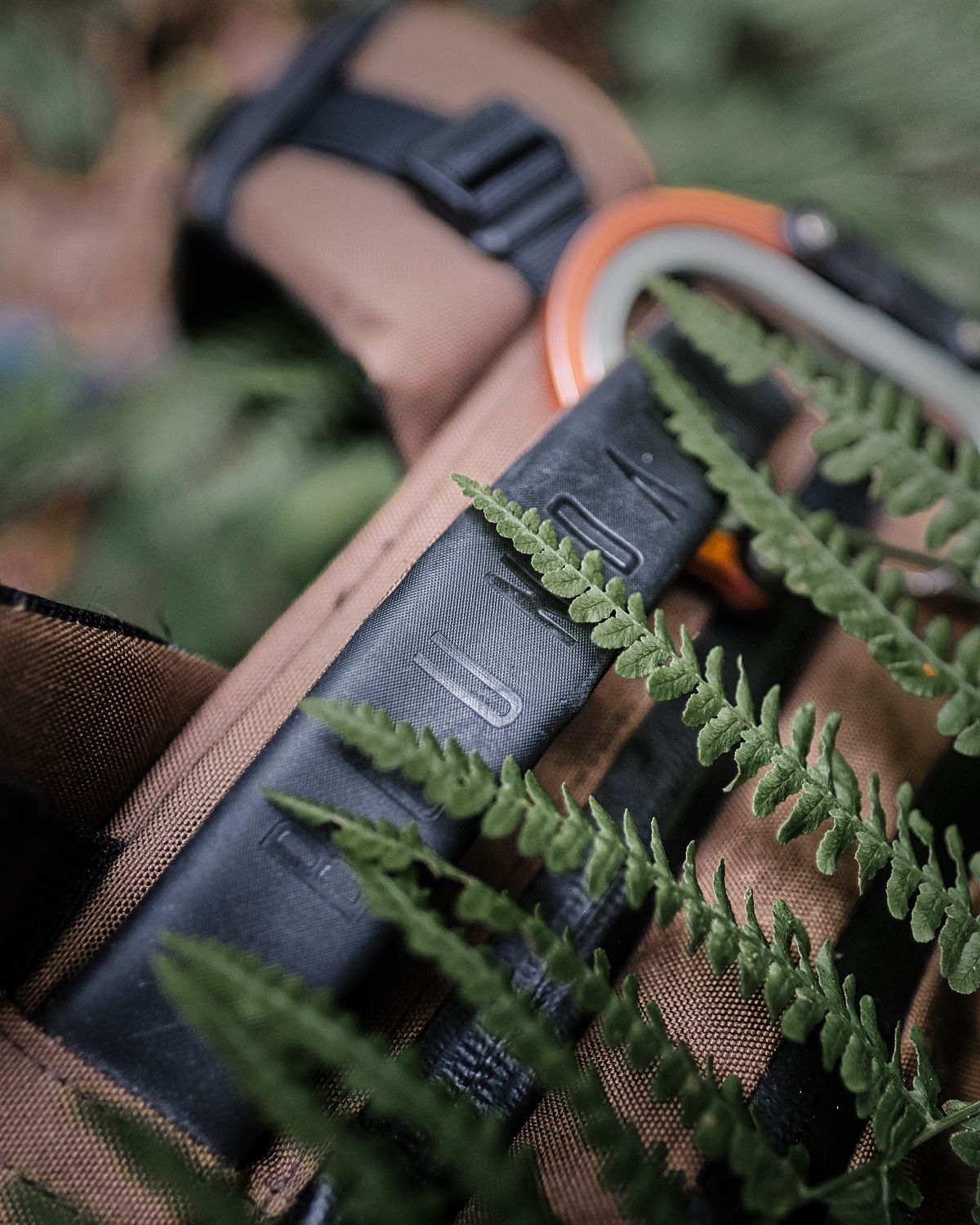
Aside from that, the Prima System comes close to a perfect score. You can feel right away that this bag was designed by a team of true enthusiasts, creative minds who are constantly working on clever ideas to solve real-world problems. One brilliant example is the use of magnets. They’re everywhere and they make everything easier. You can use them to access compartments, clip on your keys, detach the Field Space, and since they’re made of metal, they’re not going anywhere anytime soon.
All the exterior compartments are fitted with high-quality YKK StormGuard zippers. While I’m still a bit skeptical about their water resistance, these kinds of details are exactly what you expect from a premium product.
Some might see these features as gimmicks or unnecessary extras, but for many of us, it’s the combination of all these small elements that really shape the user experience. In the long run, they can influence our workflow and even our productivity. I’ll come back to this idea later on by showing how the Prima System adapts to different configurations and needs.
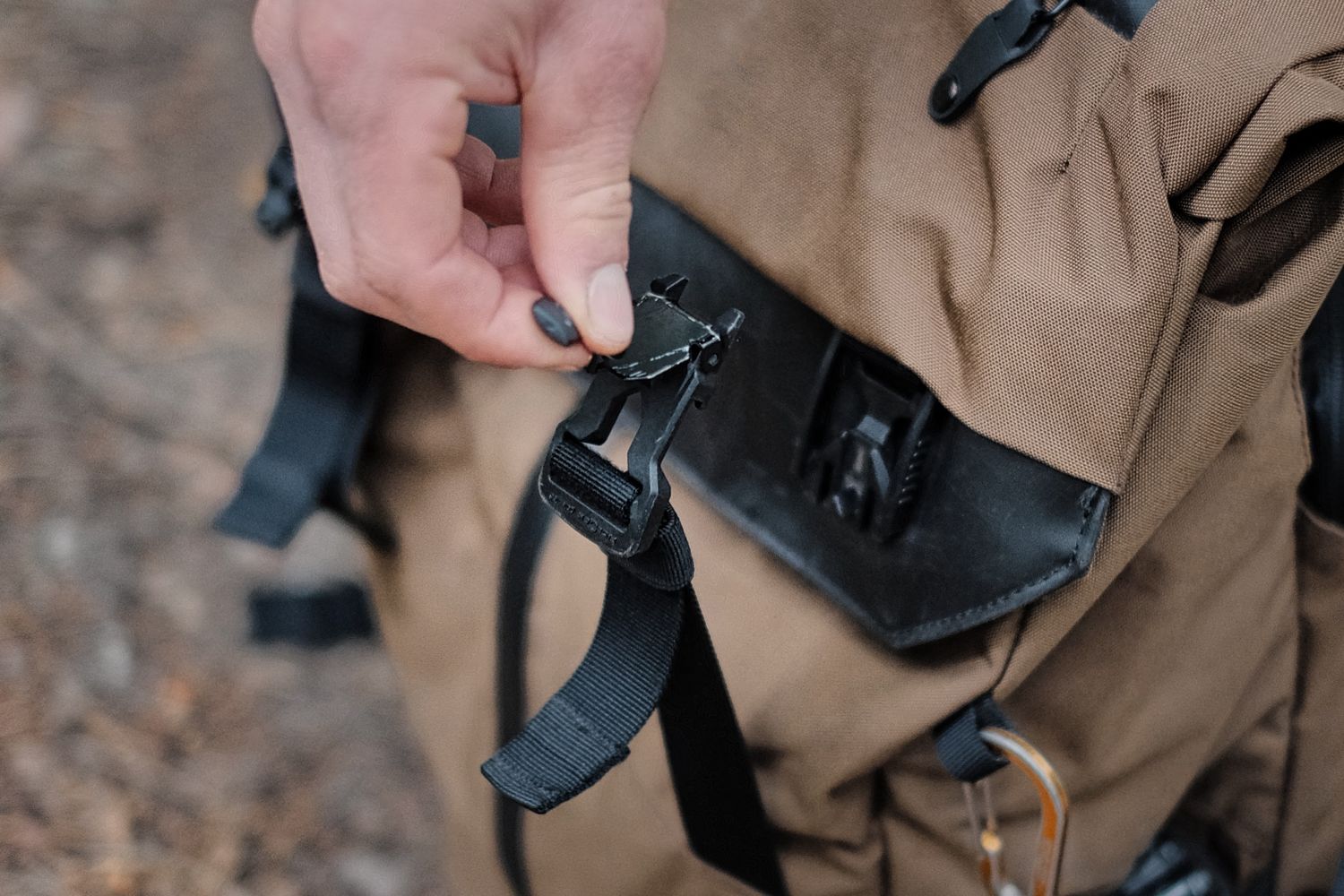
So fun and satisfying to use, and incredibly practical too. They’re made entirely of metal, with a solid and durable build. No more trips back to Decathlon to replace broken gear.
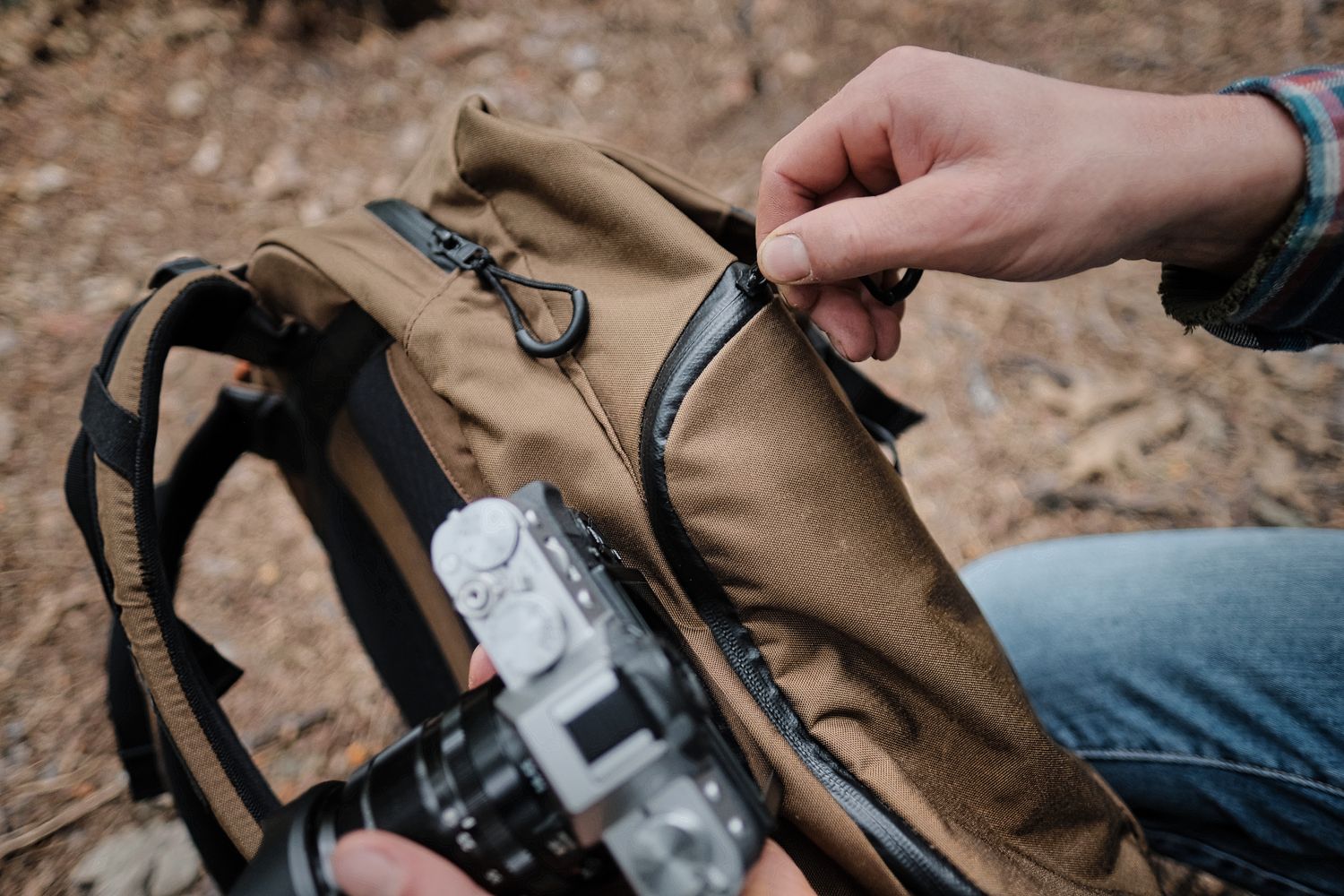
Strong, reliable over time, resistant, and water-repellent. Just take that last part with a grain of salt.
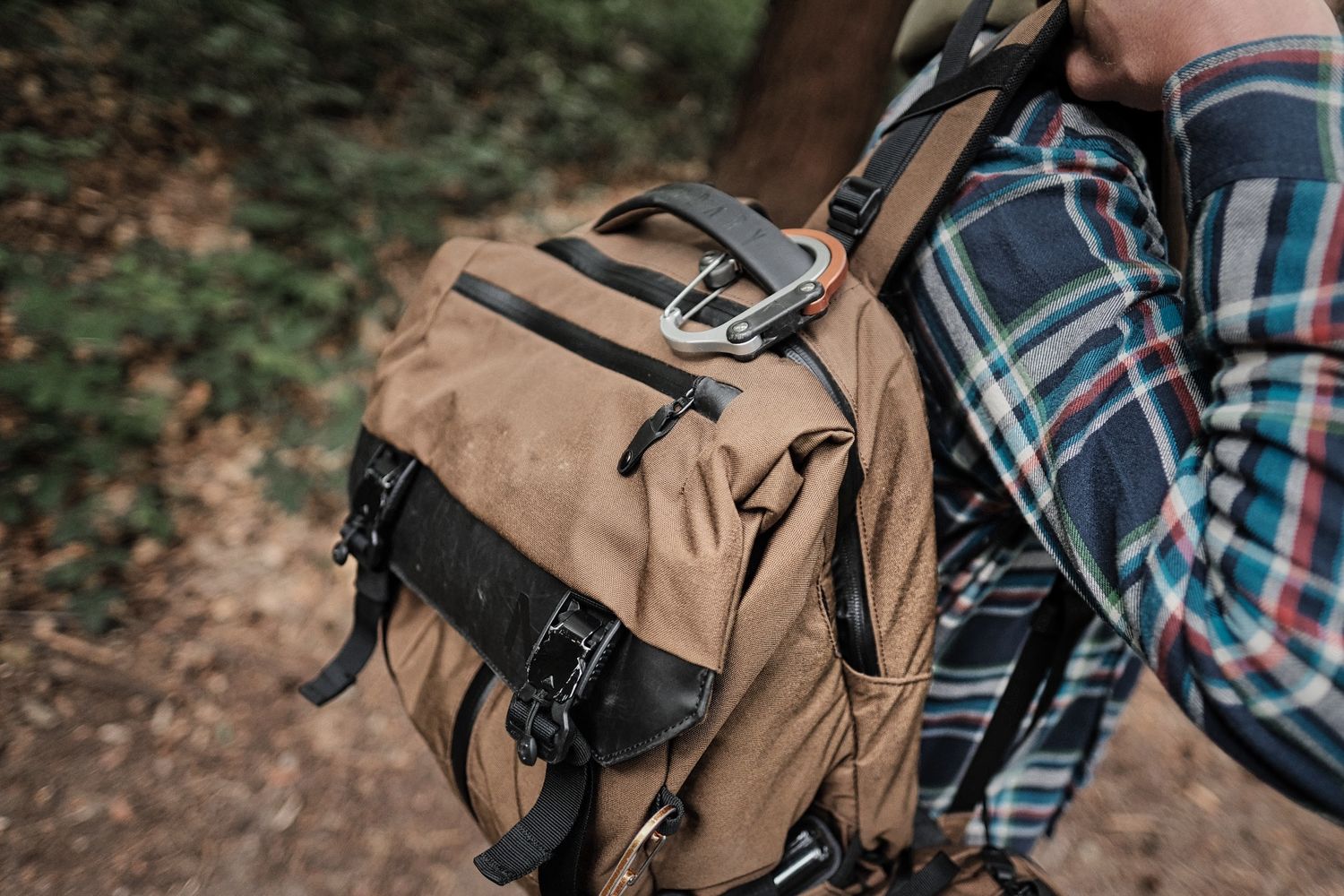
Thanks to its solid construction, this bag can take you all the way to the ends of the earth. Just maybe not if it’s raining that day.
In Practice
Back in 2018, Boundary Supply’s marketing campaign introduced the Prima System as the ultimate backpack. A companion for every adventure. A bag that could adapt to anything your daily life might throw at it. Now, after all this time and after testing and pushing dozens of so-called similar products to their limits, I have to admit there’s nothing else on the market that compares in terms of functionality. To put it simply, the Prima System is kind of insane.
That doesn’t mean it’s perfect, but if I had to keep only one backpack, it would probably be this one. As mentioned earlier, the Prima carries a sense of adventure. And that’s exactly what you’d want from a bag designed with photography in mind. It should make you want to get outside, explore the world, and come back with stories to tell through your lens. Which brings me to my first real criticism. I don’t actually think the Prima System is a great bag for photography.
The Verge Case is the module designed to hold your camera gear, and its first flaw lies in how awkward it is to fit inside the main compartment of the Prima. Once it’s in, it takes up about two-thirds of the available space, leaving little room for anything else. You might argue that you still have one-third left to work with. The problem is, once you fill up that remaining space, the Verge Case ends up squeezed between your other stuff, making it nearly impossible to reach your camera from the side access.
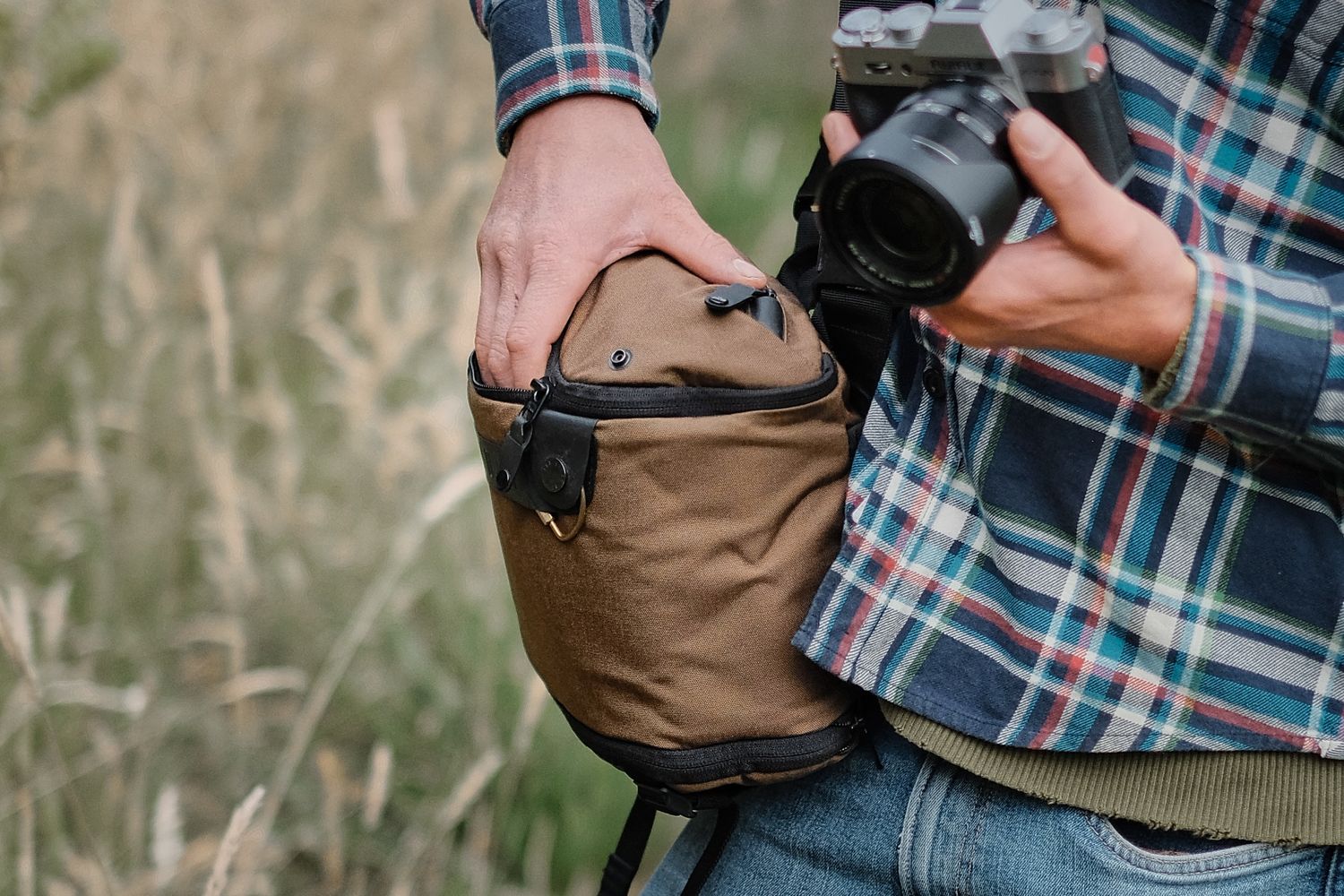
Yes
The best way to use the Verge Case is actually when it’s not inside the Prima at all. I recommend wearing it on its own as a sling bag. Its capacity is genuinely useful for carrying your gear when heading out for a casual photo walk, whether you shoot full-frame or APS-C. It would be a shame not to make the most of that flexibility.
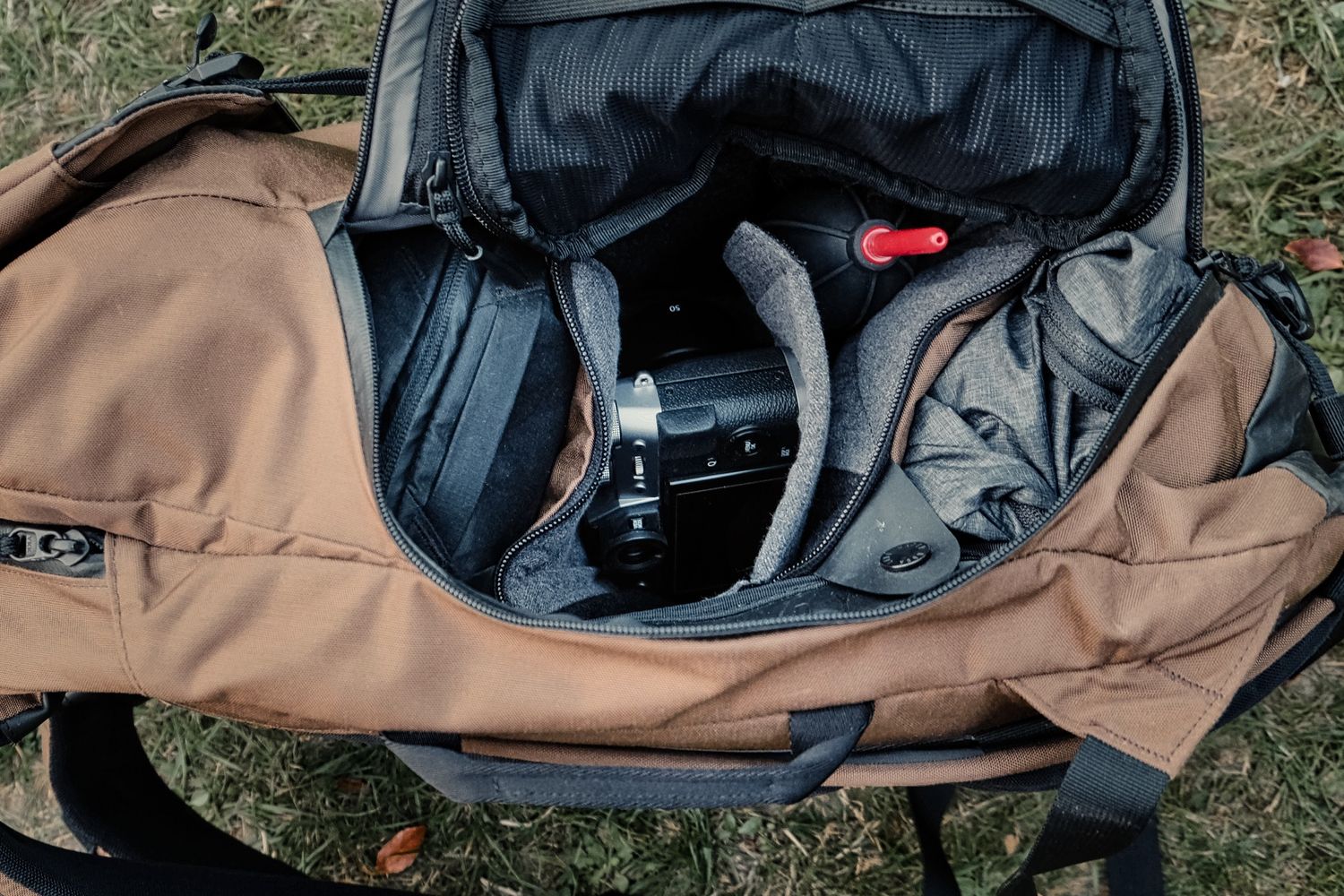
Nope
Yes, I get it. Just like you, I’d think twice before reaching in. I really wouldn’t recommend using it that way. You’ll struggle to get to your camera, and even the extra items you pack into the main compartment will feel hard to access.
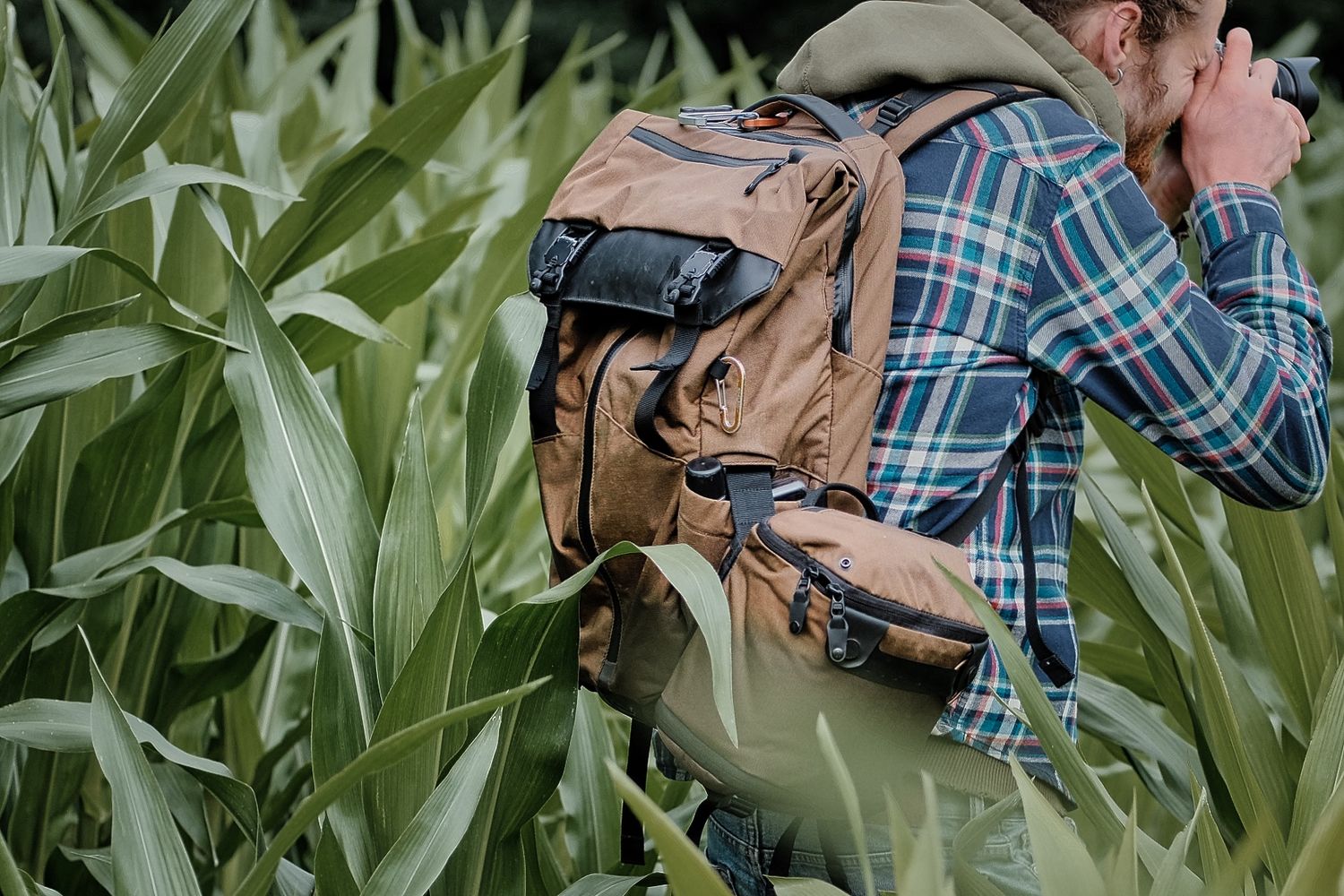
Another Option
The Verge Case can be attached to the outside of the Prima like a sidecar, using cleverly integrated straps built into both modules. It’s a brilliant idea, and I had to mention it, even if I don’t personally use this setup. I prefer having quicker access to my gear.
For those looking to push the Prima System toward a more professional photo setup, Boundary Supply offers a full camera insert on their website. It fits inside the main compartment of the Prima the same way the Verge Case does. I haven’t picked one up myself since I’ve never felt the need for it, but you’ll find all the useful information right there.
That said, I can already tell you that this module is heavy. On its own, it weighs 1.31 kilograms. Add that to the Prima System and you’re looking at a total of 2.51 kilograms. That’s a lot. For comparison, competing products from other brands usually weigh about half as much. This is mostly due to the materials used. The thick fabric and all the metal detailing add up quickly. It’s the natural trade-off for getting a well-built, sturdy backpack that won’t let you down.
That said, the weight of the bag itself doesn’t really matter once it’s on your back. What really makes the difference is what you pack, how you organize it, and how you carry it.
In my daily use, I rely on the various inner and outer compartments to spread out the load. Heavier items should always go as close to your back as possible, and Boundary actually designed a dedicated space there for your laptop and the Field Space. That’s where I slide in my 14-inch MacBook Pro. As for my 11-inch iPad Pro, its keyboard, the Pencil, the Magic Mouse, chargers, batteries, hard drives, and a few cables — all of it goes into the various pockets of the Field Space. There’s even a small sleeve for your documents, contracts, or any other paper you don’t want to crumple.
The main compartment also has a bunch of small pockets, perfect for notebooks or a passport thanks to the built-in RFID section. Personally, I never use the main space unless I need to carry groceries during the day. Most of the time, I don’t even need the iPad to get work done. And with all of that packed, the total weight still stays under seven kilograms, which I think is very reasonable.
When I travel, I use the same setup, with one exception. This time, I actually make use of the main compartment. Inside, I pack two packing cubes — one medium and one large — a toiletry kit, and a cable organizer. The cubes are filled with clothes for several days, weeks, or even months, depending on the trip. I compress everything and adjust the volume based on what I need. I get all my packing gear from Peak Design, and if you’re interested in checking it out or placing an order, you can find the link right here.
As for the internal pockets in the main compartment, I don’t really use them. I just don’t have anything to put in there. But it’s good to know they exist if I ever need them. On the other hand, I use the outer compartments all the time because they’re so easy to access. My keys and e-reader go into the top pocket. My water bottle sits in the side one. And my tripod attaches securely using the two straps at the bottom of the bag.
Altogether, the weight of the Prima System with all my gear stays under eleven kilograms. It also fits within the fifty-five centimeter cabin luggage limit, which means you’ll have no issue taking it with you on a plane.
While airlines have strict rules to decide whether your gear is allowed onboard, your body doesn’t rely on numbers to tell you if a backpack fits your frame. Comfort can’t be measured. You feel it. The Prima System was designed for a lifestyle that’s both minimalist and tailored to the needs of digital nomads. The real challenge for the designers was to simplify the concept without compromising on functionality.
At first glance, the Prima looks like a hiking backpack. And there’s a reason for that. Boundary’s motto is all about design serving function. So it’s no surprise that the structure of the bag, the strap systems, the suspension setup, the padding and how it’s distributed across the back make it a serious contender against traditional hiking packs. If you’re carrying heavier loads, there’s even a hip belt included to help distribute the weight. It’s thick enough to do its job, but slim enough not to limit your movement.
Whether you use it daily or on the road, the Prima handles both functionality and comfort really well. The only question left is whether it will meet your needs the same way it’s met mine.
As you may have noticed, or maybe not, I haven’t mentioned camera gear in either of my use cases for the Prima System. That’s simply because, as I said earlier, I don’t think it’s a great bag for photography, even though I can see the value of the Verge Case in certain situations. But the way it’s intended to be used, even separately from the Prima, just doesn’t suit me.
The Verge Case seems like a good piece of gear for some photographers. But if, like me, you just walk around with a film camera or a simple 35mm, there’s really no need for an entire pouch. And let’s be honest, carrying your camera casually slung at your side on a worn leather strap just looks way cooler anyway.
Putting the Verge Case aside, there’s still the pro camera insert offered by the brand for more serious photography needs. But in my case, I prefer to carry a shoulder bag when I’m working. Since most of what I do is photojournalism, a shoulder bag with quick side access feels like the best solution for now. It makes it easy to carry and reach my gear, especially if you’re constantly swapping lenses, flashes, or batteries like I do.
Having a small secondary bag is also ideal when flying. You can slide it under the seat in front of you and easily grab what you need without bothering your neighbors every time you want something from the overhead bin.
I was tempted to use the Verge Case in these situations, but it just didn’t have enough space for what I needed. That’s why I recommend these two alternatives, which you can check out here and here.
The Prima is the ideal companion that follows me in my day-to-day, and when I need to carry more gear, I bring along my shoulder bag. For me, that’s the best balance, and so far I haven’t found a single flaw in this setup.
Maybe you’re sold on the Prima but not so convinced by the Verge Case. Maybe the shoulder bag solution doesn’t appeal to you either, and you’d prefer something more tailored to your needs. Everyone’s habits and workflows are different, and you’ll find a range of accessories on the brand’s website, available either separately or bundled with the Prima System.
For those who want to dig deeper and explore other user setups, I recommend checking out reviews from Pack Hacker, Nomads Nation, and Chase Reeves.
Conclusion
The Boundary Supply Prima System absolutely lives up to its reputation as a backpack that can do it all. It’s solid, offers plenty of storage to adapt to all kinds of uses, and includes unique features that genuinely improve the user experience. Digital nomads, this one might be for you.
For many of us, it’s hard to find a real place for the Verge Case in a daily photo workflow. Personally, I much prefer using a shoulder bag from another brand when I’m working. But if you want to stick with the Prima System ecosystem, Boundary Supply offers different customisation options on their website.
If comfort is a top priority for you, and you’re willing to compromise slightly on integrated professional camera features, I can recommend this backpack without hesitation over many competitors. I’ve also heard feedback from people who ride their bikes often, and the Prima System seems to be especially well suited for that kind of use. The way it distributes weight, the overall balance, and how it sits on your back all seem carefully designed to support that kind of daily movement. The same applies to travellers who, beyond comfort, are also looking for something compact, spacious, and built to last.
Is the Prima System worth the price? When it was sold for around two hundred to two hundred fifty euros, taxes and shipping included, during the first few years, it was clearly one of the best deals out there based on what it offered. Even now, many of its features remain exclusive to the Prima System, and I haven’t seen anything quite like it from other brands. At that price, I would have told you to go for it without thinking twice.
Now the price sits at three hundred sixty euros before tax, since the recent website update. That’s almost double what it was just a year ago, and you’ll have to factor in the cost of extra accessories, especially if, like me, the Verge Case doesn’t work for your photography setup. Honestly, I’d recommend waiting for the next update of the Prima System to see what improvements come next. The most important one, in my opinion, would be a better way to integrate the Verge Case into the main pack. Right behind that, I’d like to see a fabric update or added membrane to truly make the Prima water-resistant.
That said, I recently got in touch with Boundary, and it looks like we won’t see a new version before 2022. Their current focus is on the new Rennen System line. You can follow them on Instagram or join their Facebook group to stay up to date. On their community page, you’ll also find users selling second-hand Boundary gear.
If you have any questions or want to share your experience with the Prima System, feel free to reach out by email or message me on Instagram or Facebook. I’ll be happy to reply.
Thanks for reading, and I hope you’ll stick around for more :)